

Gideon: The Fleece and the Flame
By JP Leonel
When faith is tested, God turns doubt into the spark that ignites destiny.
In Gideon: The Fleece and the Flame, JP Leonel captures the intimate struggle of a man caught between fear and divine calling. Through vivid scenes and raw emotion, the story follows Gideon as he questions, wrestles, and finally believes — discovering that the true battle was never against the enemy before him, but the unbelief within. The fleece becomes a symbol of grace, the flame a sign of purpose, and Gideon’s heart the altar where God’s power is revealed.
More than a tale of deliverance, The Fleece and the Flame is a journey of transformation. It reminds readers that faith often begins in uncertainty, yet burns brightest when surrendered to God. Through Gideon’s awakening, JP Leonel calls every believer to lay their fears before the Lord, to listen for His voice, and to rise in the fire of His promise.
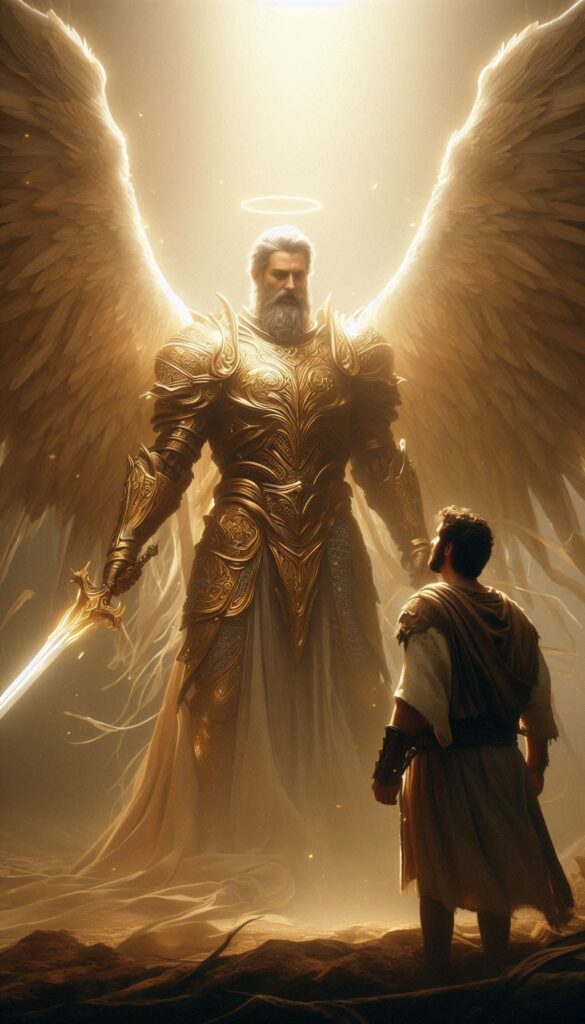
In a dark period of Israel’s history, the nation has turned away from God, worshiping Baal and Asherah while oppressors sweep through their lands. Fields are trampled, flocks are stolen, and the people cower in caves and mountains to survive. Amid this despair, God chooses a most unlikely hero: Gideon, the youngest and least of his family, a simple farmer hiding wheat in a winepress to protect it from Midianite raiders.
Gideon’s journey begins with a startling encounter with the angel of the Lord, a moment that both terrifies and ignites faith in the heart of a man untested in war. God calls him to deliver Israel, promising victory not by human strength but by divine power. Gideon’s doubt is evident; he tests God with a fleece, wrestling with fear, uncertainty, and the enormity of the task before him. Yet each sign strengthens him, confirming that God’s plan is unfolding.

Summoning an army of thirty-two thousand men, Gideon learns that the Lord’s ways are not human ways. Through a divine strategy, God whittles his army to three hundred, teaching Gideon and his soldiers that victory comes not through might, numbers, or weapons, but through obedience and faith. With torches hidden in pitchers, trumpets lifted high, and a shout that echoes with divine authority, Gideon leads his men into the Midianite camp. Panic spreads like wildfire, and the enemy destroys itself.
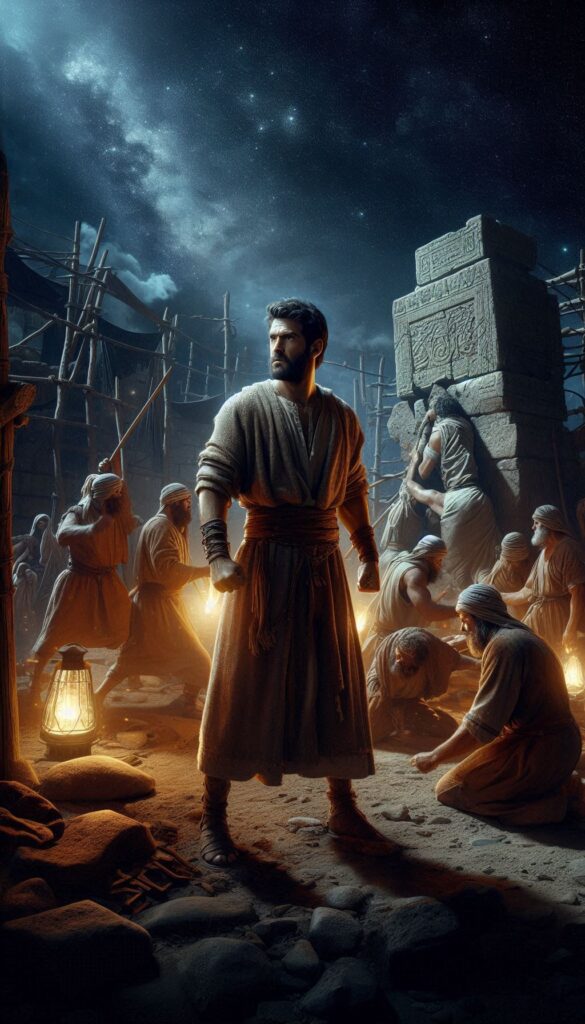
The triumph is swift, dramatic, and miraculous, yet Gideon’s story does not end there. His diplomacy with the Ephraimites, his harsh response to the cities of Succoth and Penuel, and his creation of an ephod that becomes an object of idolatry reveal the complexity of a leader—courageous yet flawed, faithful yet human. The book closes with forty years of peace but also with the sobering reminder of Israel’s recurring cycle of sin, pride, and forgetfulness.
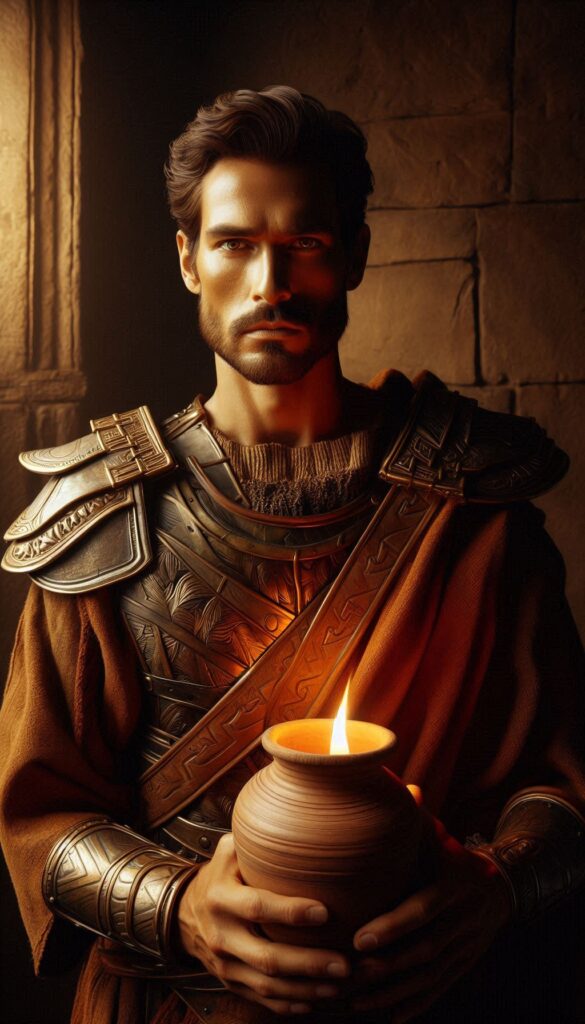
This narrative is not only an action-packed historical retelling but also a theological exploration of God’s sovereignty, grace, and the dangers of misplaced trust in men or symbols. It portrays a God who works through the weak, honors obedience, and delivers His people, while warning of the peril of pride, disobedience, and spiritual forgetfulness.
Gideon’s life is a testament to the power of faith, the consequences of human weakness, and the enduring truth that the Lord alone is the source of salvation. Through vivid dialogue, immersive action, and the inner reflections of its characters, this book brings to life one of the most compelling stories of courage, doubt, and divine intervention in the history of Israel.
The Apostle Paul, or the inspired author of Hebrews, wrote with urgency. In Hebrews 11:32, he says, “And what more shall I say? I do not have time to tell about Gideon, Barak, Samson, and Jephthah, about David and Samuel, and the prophets.
This is where JP Leonel steps in. He takes the time to tell these stories in depth, giving voice to the men and women whose faith carried the weight of God’s promises. He paints the doubts, fears, triumphs, and struggles that the book of Hebrews references. Gideon, for instance, is not just a name on a list; he is a man wrestling with fear, questioning his own strength, yet ultimately yielding to God’s guidance to become a mighty leader. Through detailed narrative, dialogue, and insight into Gideon’s inner life, JP Leonel brings the character to life, allowing readers to see the human and divine dimensions of faith intertwined.
JP Leonel offers readers not only a historical account but a spiritual encounter, inviting them to step into the same faith and courage that shaped God’s chosen leaders.