
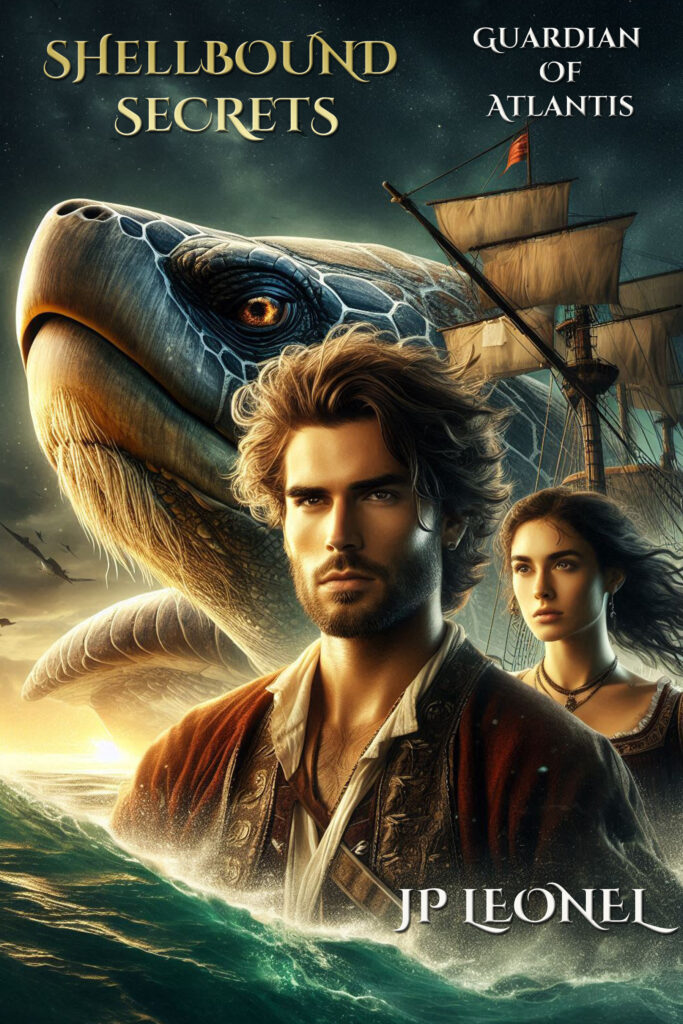
JP Leonel wrote Spellbound Secrets as a spiritual allegory to explore truths that are too deep to approach directly and too sacred to explain plainly. The ocean becomes more than water. It stands as the hidden, unsearchable depth of the human soul and the unseen realm where God’s purposes move without announcement. The lost city beneath the waves is not only a legend of stone and towers, but a symbol of what humanity once had when it walked in harmony with creation and with God. Its disappearance mirrors the loss of innocence, obedience, and spiritual clarity that followed human pride and separation.

Elias is not written as a hero in the traditional sense. He is an everyman. Curious. Analytical. Grounded in what can be seen and measured. Through him, the reader walks the path between reason and revelation. His journey reflects the inner journey of a soul standing at the shoreline of mystery. He does not conquer the sea. He does not own the truth he discovers. He is invited to witness it, to feel its weight, and then to let it go. In this way, Elias represents the believer who is allowed to glimpse the divine order but is never allowed to possess it.
The Guardian in the story is a spiritual figure of obedience and sacrifice. She stands in the gap between worlds, bound by a vow that transcends human understanding. She does not act for herself. She acts because she was appointed. This reflects the unseen servants of God, the watchers and protectors who move in silence, carrying out divine instruction long after forgotten by the world they guard. Her love is not romantic. It is covenantal. It is duty wrapped in devotion, and it mirrors the kind of love God calls His servants to carry.
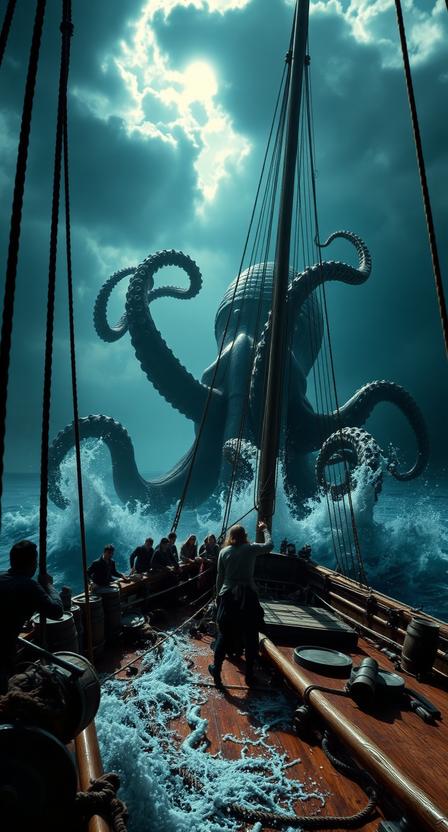
The Earth’s destruction through natural forces is also intentional in its meaning. Humanity witnesses earthquakes, collapsing churches, crashing waves, and volcanic fury and assigns natural explanations. Science records the event, dates it, and moves on. But the spiritual reality remains unseen. This is Leonel’s reflection on how modern man explains away divine activity, calling it coincidence or catastrophe when in truth it is consequence, protection, judgment, or mercy.
The necklace serves as the ultimate symbol. It passes between worlds. It bridges sea and land, seen and unseen, mortal and eternal. When it is finally returned to the depths, it is not lost. It is restored. Whether the reader believes it simply sank or was taken by a waiting guardian is intentional. That moment forces the reader to confront his or her own faith. Do you believe in what cannot be proven, or only in what can be explained?

At its heart, Spellbound Secrets is about stewardship. Stewardship of truth. Of knowledge. Of sacred histories. And of silence. Some things are not meant to be dragged into the light, sold, or claimed. They are meant to be honored. Protected. Returned. Just as the Captain goes down with the ship, the Protector follows the city into eternity.
Leonel does not write to reveal a lost world. He writes to ask whether the reader is willing to believe that the world is far more than what the eyes can see.