By JP Leonel Revival begins when the heart returns to the Word of God.
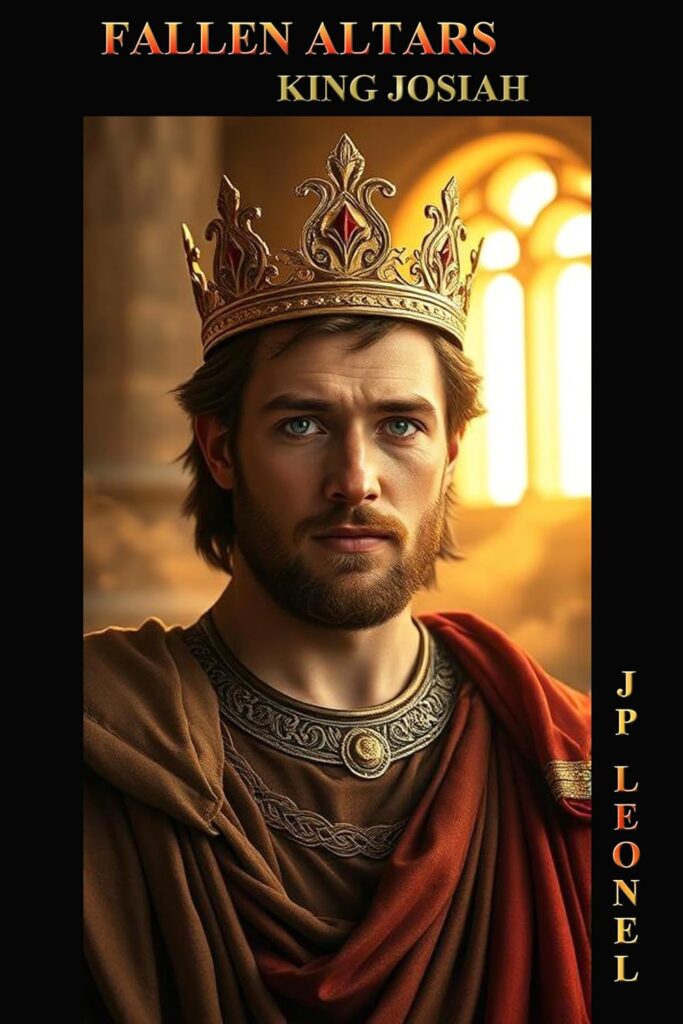
In Josiah: Fallen Altars, JP Leonel captures the passion and purity of a young king who dared to stand against the tide of corruption and idolatry. Through richly woven narrative and powerful dialogue, this book brings to life the fire of repentance that swept through Judah when Josiah rediscovered the forgotten Law of the Lord. Each scene burns with conviction as a nation’s heart is turned back to God — one altar torn down at a time.
More than history, Fallen Altars is a call to this generation: to tear down the idols that stand in the hidden places of the soul, to restore truth, and to walk in wholehearted devotion. Josiah’s courage echoes still — reminding every reader that revival does not begin in the temple, but within the heart that refuses to compromise.
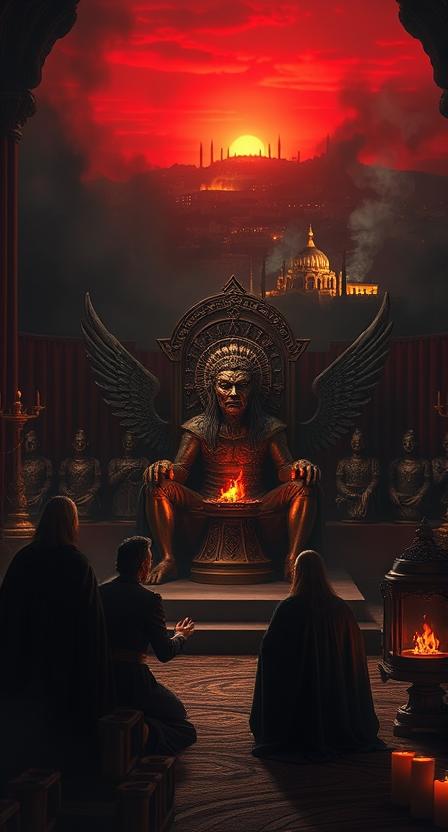
Summary of Fallen Altars: The Story of King Josiah Once, Jerusalem’s hills burned with the fires of false gods. Under the reign of Manasseh, Judah forgot its covenant and filled the Lord’s temple with idols. Altars rose on every hill, and the holy city echoed with prayers to the stars. Yet even in judgment, mercy waited. Dragged to Babylon with a hook in his nose, Manasseh fell to his knees and found the God he had forsaken. His repentance came too late to save his legacy, but it sowed a seed of hope for the next generation. That seed was Josiah—a boy crowned king at eight years old, born into a broken kingdom still haunted by the sins of its fathers. Raised in a palace of whispers and fear, Josiah began to seek the God of David in a time when few remembered His name. He walked the silent courts of the neglected temple and felt its emptiness. He listened to the weary priests and dreamed of the God who once filled this place with fire.
As the years passed, the boy became a reformer. With hammer and fire, Josiah tore down the idols of Judah, crushed the images, and burned the bones of false priests upon their altars. But his greatest discovery came not from battle, but from dust—the Book of the Law, buried beneath the ruin of Solomon’s temple. When its words were read aloud, the young king’s heart broke. He tore his robes and wept, for he saw his nation’s guilt written across the pages. Through the prophetess Huldah, God answered: judgment would still come, yet mercy would rest upon Josiah. The king gathered all Judah and renewed the covenant, calling the people to worship the one true God. For the first time in generations, Passover was kept in purity and joy. The land breathed again.
But even righteous kings cannot stop the tides of prophecy. When Pharaoh Necho of Egypt rose to war, Josiah marched to meet him—believing he was defending the covenant’s honor. On the plains of Megiddo, an arrow found the king. His soldiers carried him from the field, and the city that once sang for joy now wept in mourning. In the end, Josiah’s reign became the last light before the darkness of exile. His heart, wholly devoted to God, burned like an altar restored. Fallen Altars is a story of repentance and reform, of divine mercy and the cost of obedience—a testament to the God who still speaks through ruins, and the king who listened with all his heart. Introduction There are moments in history when the fire of God flickers low. The songs fade, the altars crumble, and the people forget the name that once thundered from Sinai. Judah had reached such a moment. The temple of Solomon, once filled with the glory of the Lord, stood in ruin and silence. The scent of incense meant for heaven now rose to idols carved from stone and wood. The priests spoke hollow prayers. The prophets’ cries went unheeded. For generations, kings had lifted their hands to false gods. Manasseh, son of Hezekiah, filled the land with blood and the temple with idols. His reign darkened the hearts of the people until truth was hidden beneath the dust of forgotten scrolls. Even when mercy reached for him in Babylon’s chains, the wounds of his rule ran deep. His son, Amon, walked the same path and found only death at the hands of his own servants. Then, against all expectations, a child was crowned. His name was Josiah. He was eight years old, quiet-eyed, and curious, a boy surrounded by a kingdom that had forgotten the sound of holiness. Yet in that silence, something stirred. The Spirit of the Lord had not abandoned Judah. He was waiting. This is the story of a nation on the edge of judgment, and of a king whose heart caught fire for God. It is a story of broken altars, lost books, and the mercy that still reaches through generations of sin. It tells how light returned to Jerusalem through one who listened, who wept, and who obeyed when others would not.