
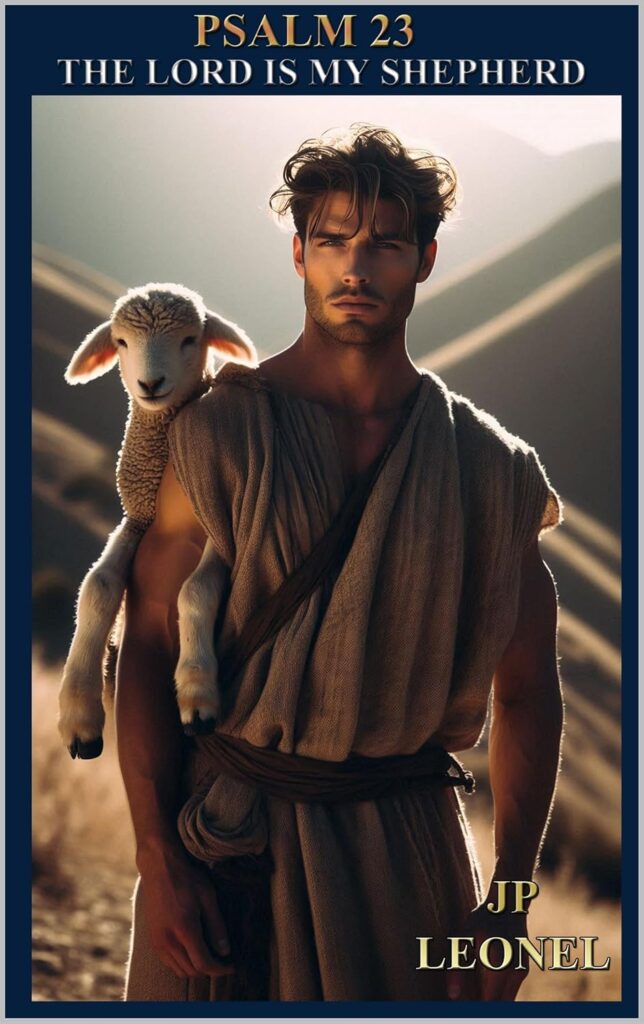
Much of the Bible was shaped by humble hands. It was written by men close to the soil, close to flocks, and guided by the Spirit of God as they wrote in words rooted in the fields and hills they knew well. The language of Scripture breathes the air of open pastures, of valleys and mountains, of rain and harvest. The first people to hear these words lived under wide skies. They knew the weight of a shepherd’s rod and the scent of freshly turned soil. They lived with the rhythm of livestock and land.
Today, many who open these same pages stand far from that world. Cities rise where pastures once stretched wide. Stone and steel replace open fields. People live among crowds and concrete, far removed from the simple images of sheep grazing under a shepherd’s watch or wheat bending in the wind. Words like pasture, flock, vine, and olive tree slip past modern ears without stirring the deep truths they carry.
Yet the truths of Scripture still rest on the sturdy ground of God’s creation. The Lord, who spoke of seeds, soil, and of shepherds and sheep, has spoken in a way that bound the natural to the eternal. When Jesus walked among us, He wove parables from the common sights of fields and farms. Not to make truth small, but to make it clear. The Creator of both earth and heaven chose simple pictures to reveal heavenly realities.
Much of the Bible was shaped by humble hands. It was written by men close to the soil, close to flocks, and guided by the Spirit of God as they wrote in words rooted in the fields and hills they knew well. The language of Scripture breathes the air of open pastures, of valleys and mountains, of rain and harvest. The first people to hear these words lived under wide skies. They knew the weight of a shepherd’s rod and the scent of freshly turned soil. They lived with the rhythm of livestock and land.
Today, many who open these same pages stand far from that world. Cities rise where pastures once stretched wide. Stone and steel replace open fields. People live among crowds and concrete, far removed from the simple images of sheep grazing under a shepherd’s watch or wheat bending in the wind. Words like pasture, flock, vine, and olive tree slip past modern ears without stirring the deep truths they carry.
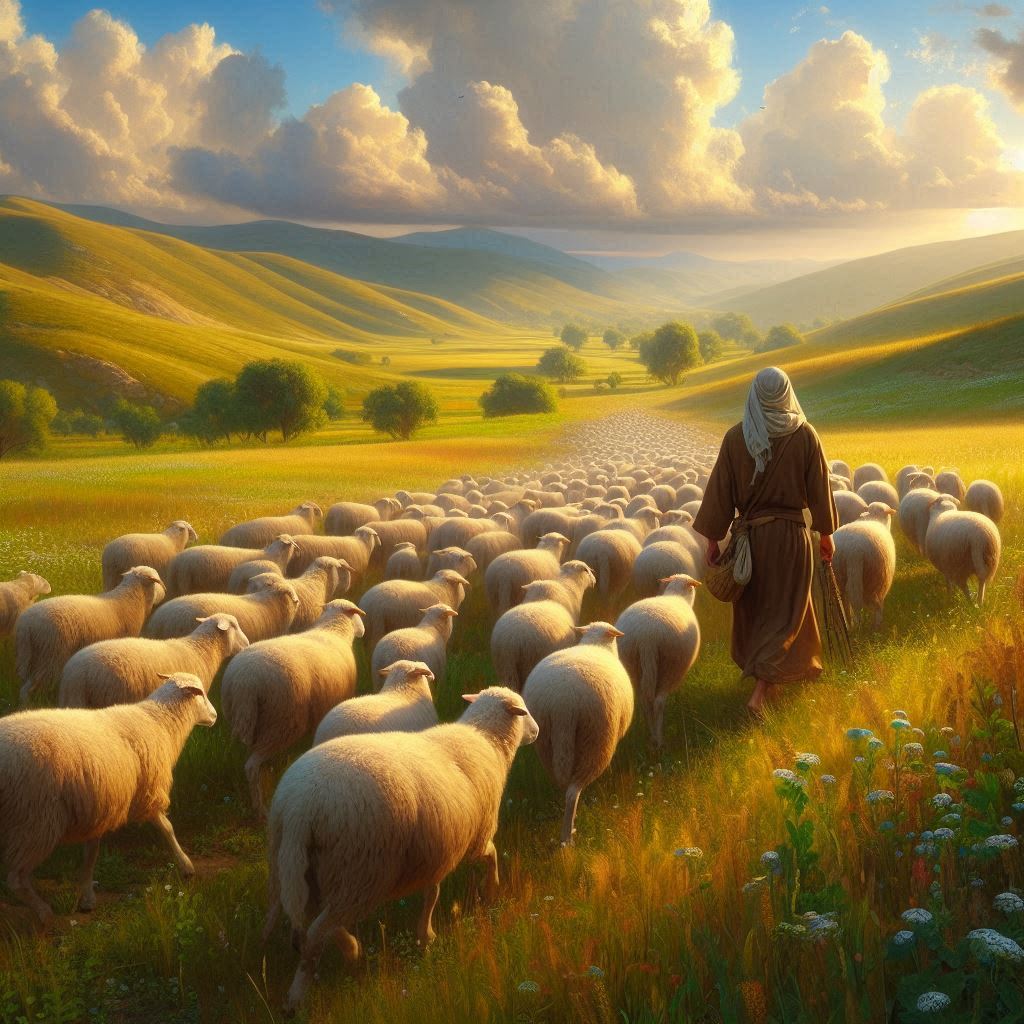
Yet the truths of Scripture still rest on the sturdy ground of God’s creation. The Lord, who spoke of seeds, soil, and of shepherds and sheep, has spoken in a way that bound the natural to the eternal. When Jesus walked among us, He wove parables from the common sights of fields and farms. Not to make truth small, but to make it clear. The Creator of both earth and heaven chose simple pictures to reveal heavenly realities.
The same hands that shaped the stars also shaped the grass under a shepherd boy’s feet. The same voice that calls galaxies into motion calls sheep by name. In these simple, living pictures, the heart of God is shown to those who listen, whether they stand in a crowded city or a quiet field.
This psalm, “The Lord is my Shepherd,” calls us back to that field, that flock, that voice. It draws us near to the Shepherd who still leads, still guards, and still calls us home.
May every word open pasture gates wide again. May the flock listen and follow. May we dwell where the Shepherd walks—forever.
So I invite you to turn these pages with an open mind and a willing heart. Read these words, ready to see fresh glimpses of how deeply God cares for you and calls you His own. Let these stories awaken wonder at the tireless love and watchful care of our Savior for His flock. May each step through this psalm stir new gratitude and deep affection for the Good Shepherd. He is the One who leads, protects, and restores every soul that follows His voice.